May 18, 2026 • Neil Hayes • 8 min reading time • Prices verified June 25, 2026
Can a Sub-$1,100 Cargo E-Bike Actually Replace Your Car? Running the Real Numbers
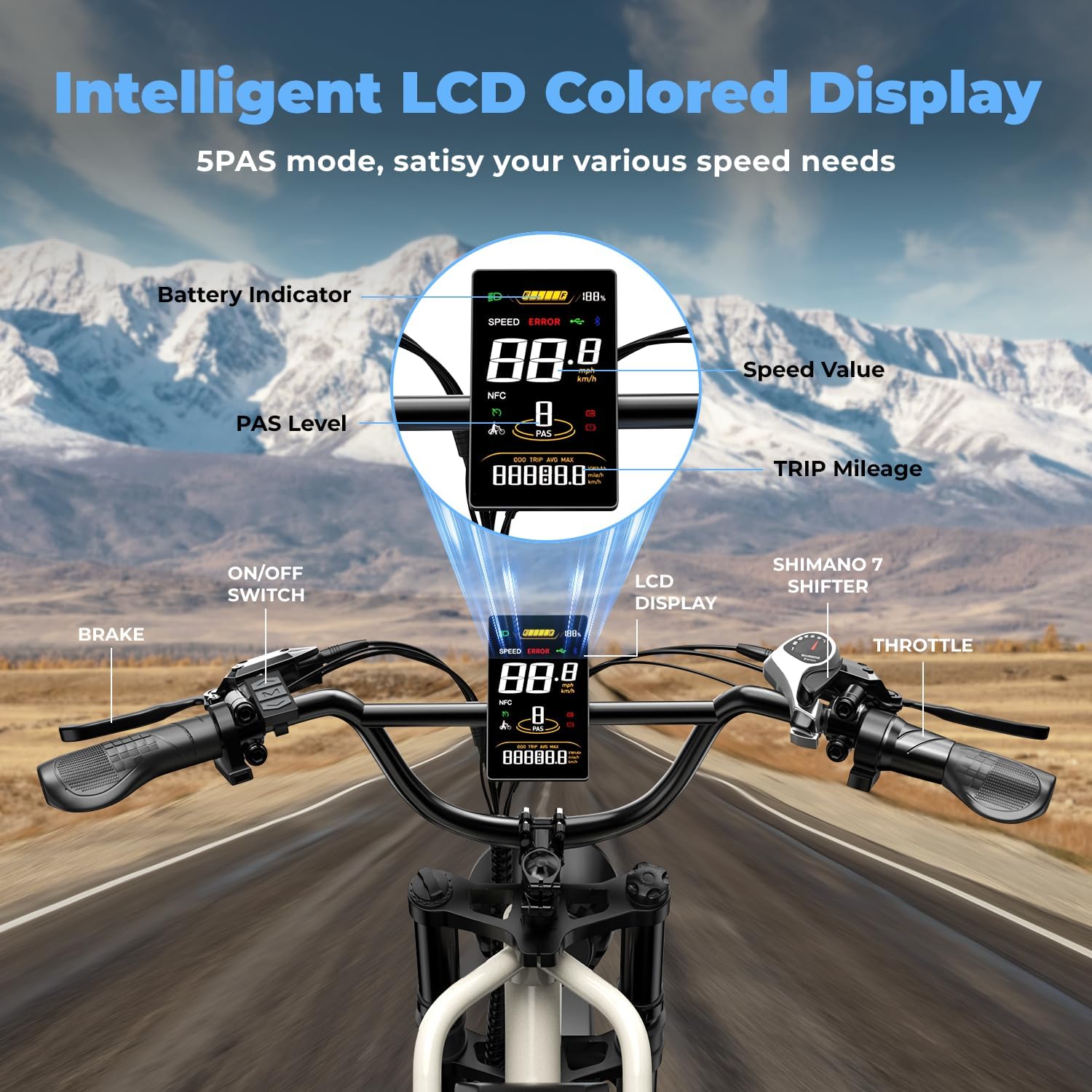
A cargo e-bike is exactly what it sounds like: an electric-assist bicycle built to carry real loads — groceries, kids, gear, small business deliveries — rather than just a rider. The “e” part means a battery-powered motor helps you pedal, which makes hills and heavy cargo far less punishing than a regular bike. The “cargo” part means extended rear racks, reinforced frames, and sometimes a front or rear box. The question people keep asking in 2026 is whether you can get into one of these bikes for under $1,100 and genuinely skip car trips — not just the occasional Sunday farmer’s market run, but the daily school drop-off, the hardware store haul, the errand circuit. This article runs the real numbers: purchase cost, ongoing costs, load limits, and honest range expectations, so you can decide whether a budget cargo e-bike is your car replacement or just a useful supplement.
What “Car Replacement” Actually Means for This Math
Before the numbers mean anything, you need a clear definition. A true car replacement covers most of your trip volume, not just the easy trips. The U.S. Department of Transportation’s National Household Travel Survey (widely cited in PeopleForBikes’ 2024 E-Bike Sales and Market Data Report) consistently finds that roughly 60% of car trips in American urban and suburban areas are under five miles. That’s the slice of your driving life where an e-bike is geometrically competitive. If you live in a mid-density city or inner suburb, have one or two children under 80 lbs combined, shop at a store within four miles, and don’t regularly move construction materials or appliances, “car replacement for most trips” is a realistic target — not a fantasy.
If you’re rural, haul more than 50 lbs of cargo weekly beyond the bike’s rated capacity, or face sustained grades above 8%, the math tilts toward “useful supplement, not replacement.” Name that honestly before you spend a dollar.
The Sub-$1,100 Tier: What You Actually Get
The sub-$1,100 cargo e-bike market in mid-2026 is anchored by a handful of recognizable models. The Lectric XP Cargo (street price approximately $999–$1,049 depending on configuration) is the most discussed entry in this tier, and it draws most of the aggregated owner-sentiment data we can point to. The Rad Power Bikes RadWagon 4 sits just above this ceiling at roughly $1,299–$1,499, which is relevant as a comparison point, but it’s outside the sub-$1,100 frame. The Lectric XP Cargo and similar-spec bikes from Aventon and Velotric occupy the tier we’re evaluating here.
Per published manufacturer specifications for the Lectric XP Cargo as of early 2026:
- Motor: 500W nominal / 1,000W peak hub motor
- Battery: 48V, 10.4Ah (approximately 499Wh)
- Claimed range: 25–45 miles (highly dependent on assist level, rider weight, and cargo)
- Payload rating: 330 lbs total (rider + cargo)
- Cargo capacity: Extended rear rack rated to approximately 150 lbs
- Weight: ~73 lbs
- Folding: Yes (the XP Cargo retains the folding frame from the XP line)
Electric Bike Review’s coverage of the budget cargo segment notes that real-world range at moderate assist with a loaded rack trends toward the lower third of manufacturer claims — roughly 20–28 miles in most operator conditions. That’s still enough for the majority of sub-5-mile urban trip chains.
Consumer Reports’ 2024 electric bike reliability data (their broader e-bike ratings work) flags hub motor reliability in this price class as generally acceptable for 1,000–2,000-mile lifecycles before any service intervention, but controller and display longevity is more variable. Owners on long-run forum reviews (sourced via the Electric Bike Review community threads, not social platforms) consistently note that the Lectric XP Cargo’s folding hinge is a confidence point — it stays tight across regular use — but the rear rack’s integrated lighting is an area where budget bikes lose ground to mid-tier competitors.
The Load Reality Check
A 150-lb rack rating sounds like freedom, but work the real scenarios:
| Scenario | Cargo Weight | Within Spec? |
|---|---|---|
| Two bags of groceries | ~20 lbs | Easily yes |
| One child in a rack seat (~4-yr-old) | ~40–45 lbs | Yes, with rack seat add-on |
| Two children + seat system | ~80–100 lbs | Near ceiling, check seat compatibility |
| Weekly Costco run (two full bags + bulk) | ~50–70 lbs | Yes |
| 12-pack beverages + two kids | ~95–110 lbs | At or over practical limit |
The 330-lb total system limit means a 200-lb rider has 130 lbs of payload left — enough for one child and a grocery run, not two children plus a stroller. This is where mid-tier bikes like the RadWagon 4 or a Tern GSD S10 (at $3,000–$4,500) start justifying their price: higher total system ratings (400–440 lbs) and longer wheelbases that handle the load distribution better. Outside Online’s analysis of cargo e-bike use cases makes this same distinction — budget bikes are capable grocery and single-child haulers; multi-child setups push you up the price ladder.
Running the Actual Cost Comparison
Here’s where the car-replacement case gets interesting. Let’s use conservative 2026 numbers for urban car ownership against a sub-$1,100 cargo e-bike purchase.
By the numbers — annual cost comparison (urban driver, ~8,000 miles/year):
| Cost Category | Car (compact, owned) | Sub-$1,100 Cargo E-Bike |
|---|---|---|
| Depreciation (annual) | ~$2,200 | ~$150 |
| Insurance | ~$1,800 | ~$120 (rider policy) |
| Fuel / charging | ~$1,600 | ~$30–50 |
| Maintenance | ~$900 | ~$200 |
| Parking / fees | ~$600+ | ~$0–50 |
| Annual total | ~$7,100 | ~$520–570 |
Sources: AAA’s 2024 “Your Driving Costs” study (cited in Bicycling’s coverage of car vs. e-bike cost comparisons) pegs total annual compact car ownership costs at $7,000–$9,000 for average U.S. drivers. The e-bike cost column assumes you’re not selling the car outright — you’re reducing car use, which means some fixed costs (insurance, registration) remain. If you eliminate the car entirely, the savings column widens dramatically; if you’re supplementing, you save mainly on fuel and parking.
The honest version of the math for most buyers: you are not eliminating your car costs in year one. You are offsetting variable costs (fuel, some maintenance, parking) while the fixed costs (insurance, depreciation if you keep the car) persist. The break-even on the bike itself — roughly $1,100 all-in including a helmet, lock, and basic accessories — against fuel-and-parking savings alone runs about 8–14 months for a commuter replacing 3–4 car trips per week.
Over a three-year horizon, operators who genuinely shift 60–70% of their car trips to the e-bike report fuel savings of $800–$1,200 annually, per aggregated owner sentiment tracked in Electric Bike Review’s long-run owner follow-up coverage. That’s $2,400–$3,600 in three years against a $1,100 bike investment. The math clears — but only if you actually make the trips.
Where the Budget Tier Loses the Argument
Practitioner-level honesty requires naming where sub-$1,100 bikes underperform:
Range anxiety on longer cargo runs. A 20–28-mile real-world range sounds adequate until you factor in a loaded rack, a headwind, a detour, and a hill. Operators who need a confident 15-mile round trip with 60+ lbs of cargo and don’t want to babysit the battery level should budget up to a larger battery — the RadWagon 4’s 614Wh pack or a Tern GSD S10’s dual-battery option (up to 1,000Wh) genuinely changes the anxiety equation.
Component longevity under daily abuse. Consumer Reports’ e-bike reliability work consistently shows that bikes used for true car-replacement mileage (3,000–5,000 miles/year) exceed the design assumptions of many budget-tier components. The Lectric XP Cargo is well-regarded for its price, but derailleur systems, brake pads, and displays will need more frequent attention at high-mileage use than on a mid-tier build.
Weather and load flexibility. Sub-$1,100 bikes rarely include integrated cargo solutions — no front box, no purpose-built child seats, no waterproof panniers. You’ll spend $100–$300 building out a functional cargo ecosystem. Budget for it upfront.
Theft exposure. A $1,100 bike is far more theft-tolerant than a $3,500 bike in the sense that your loss is survivable. But budget builds often lack integrated frame locks or GPS, which matters if you’re locking outside in a city. Add a quality U-lock (Kryptonite or similar) to your purchase budget — that’s another $60–$80.
The Decision Rule
If you’ve been evaluating this as an active purchase decision, here’s the “if X, then Y” frame:
If your round-trip daily cargo run is under 12 miles, your cargo is under 60 lbs, you have one child or no children to transport, and you live in a flat-to-moderate terrain environment — then a sub-$1,100 cargo e-bike like the Lectric XP Cargo will cover the majority of your car-replacement trips and the three-year cost math works clearly in your favor. Buy the bike, budget $200–$300 for accessories, and start shifting trips.
If your trips average 12–20 miles, you carry two children, or your terrain involves sustained grades — then the sub-$1,100 tier is underpowered for your use case. The RadWagon 4 at ~$1,299–$1,499, or a step-up to a Tern GSD S10 or Riese & Müller Load configuration in the $3,000–$5,000 range, will handle your actual trip profile without the range and load anxiety. Spending $1,100 on a bike that stresses you on every loaded run is not a savings.
If you’re not sure which category you’re in — track your car trips for two weeks. Write down distance, cargo weight, and number of passengers. The answer is in your own data, not in a spec sheet.
The sub-$1,100 cargo e-bike is genuinely capable for the trip profile it was designed for. The mistake is buying it for a trip profile it wasn’t. Run your numbers before you run the route.